



Introduction to Ewa Industrial and Its Role in Automotive Multimedia
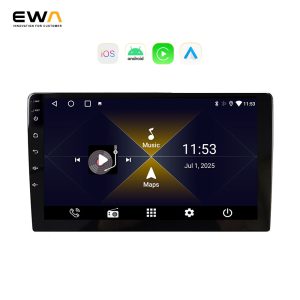
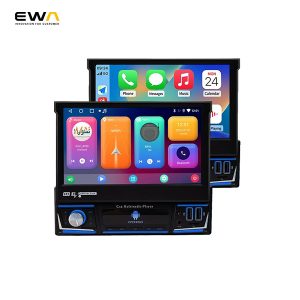
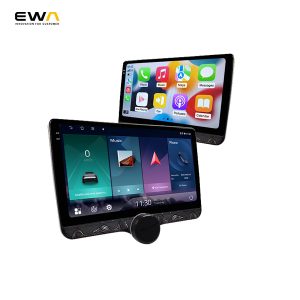
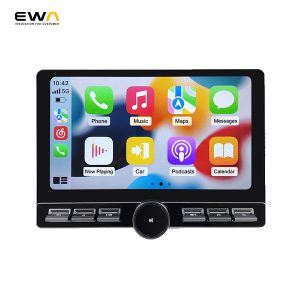
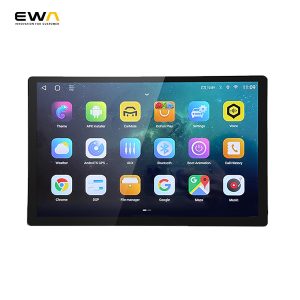
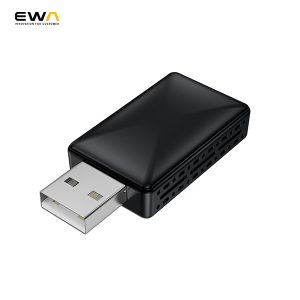
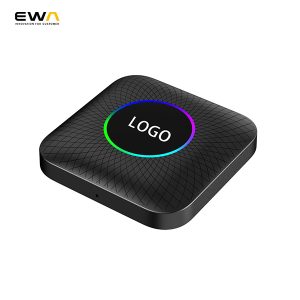
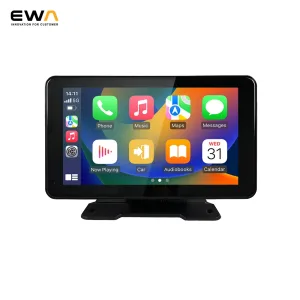
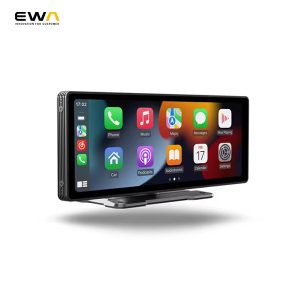
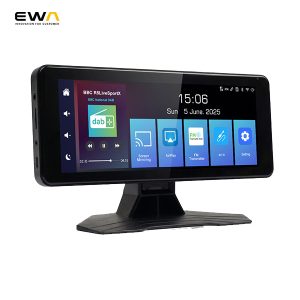
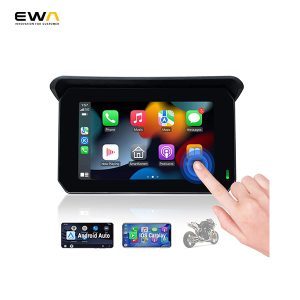
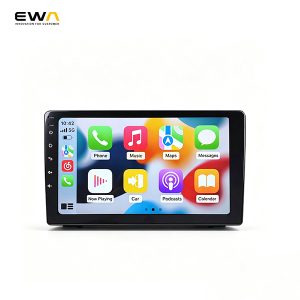
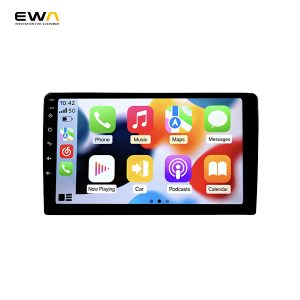
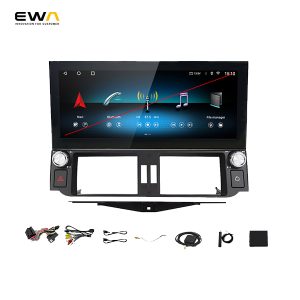
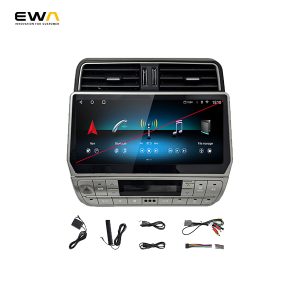
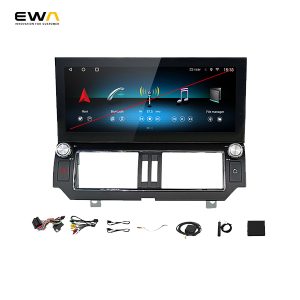
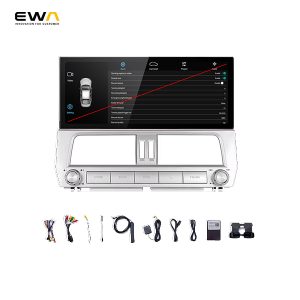
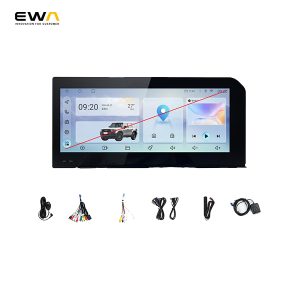
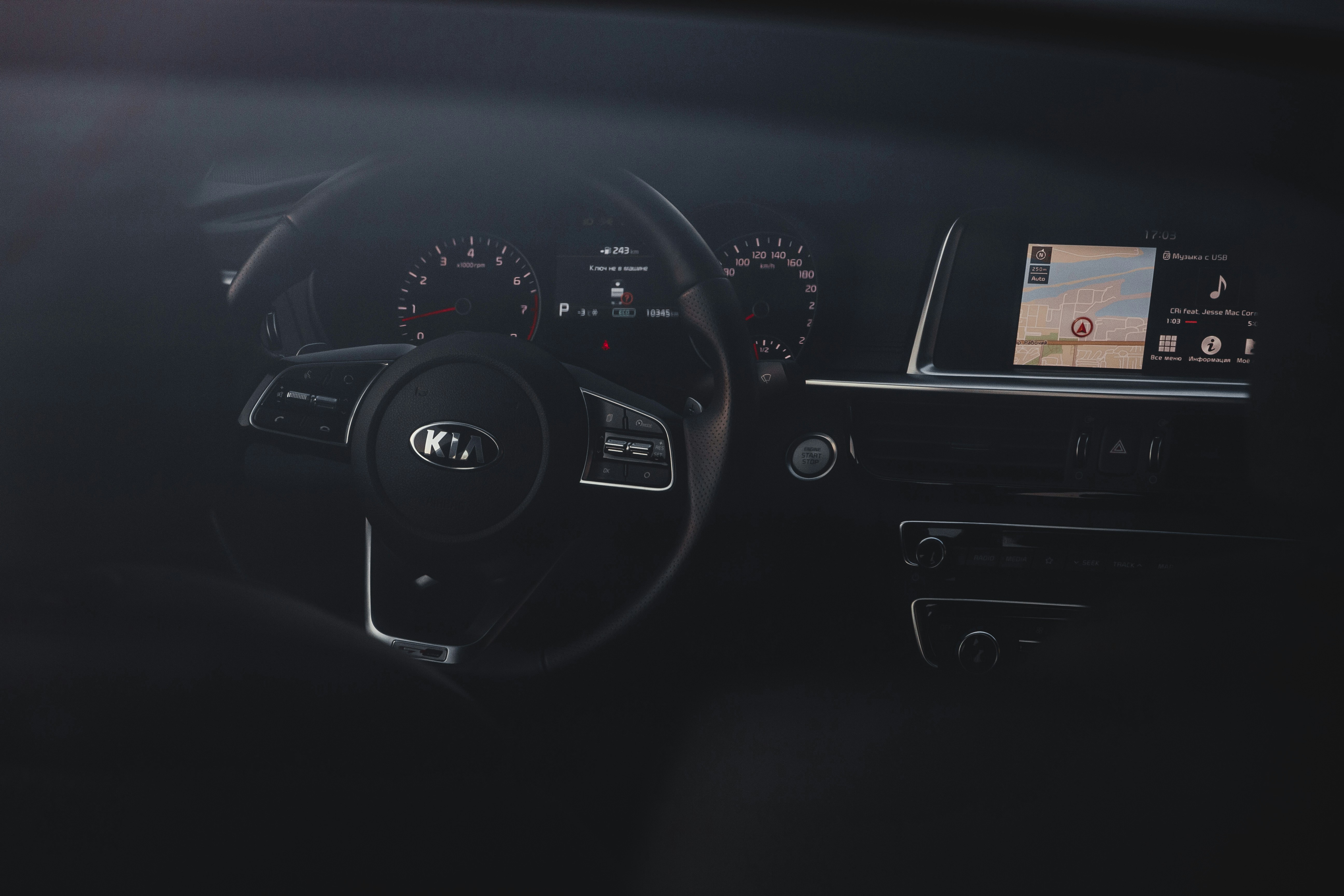
Ewa Industrial has established itself as a prominent figure in the automotive multimedia sector. Founded with a vision to innovate and enhance driving experiences, the company has carved a niche for itself by providing advanced automotive multimedia solutions. Over the years, Ewa has developed a robust portfolio of products, particularly in the field of audio-visual navigation (AVN) systems, which are essential for modern vehicles. These systems integrate navigation, multimedia playback, and vehicle information, offering seamless connectivity and enhancing driver experience.
Positioned as an original design manufacturer (ODM), Ewa Industrial caters to various automotive manufacturers, delivering customized solutions that align with customer specifications and market demands. The company’s ability to adapt to evolving technological trends has made it a key supplier in the automotive market, enabling it to meet the diverse needs of manufacturers and consumers alike. Since its inception, Ewa has remained committed to quality, innovation, and customer satisfaction.
A significant milestone in Ewa journey has been its strategic partnership with Hyundai and Kia, initiated in 2017. This collaboration aims to enhance the integration of AVN systems into vehicles, ensuring that the latest advancements in multimedia technology are accessible to consumers. Through this partnership, Ewa contributes to the development of intuitive and advanced infotainment solutions, which are increasingly becoming a standard in the automotive industry.
As vehicles evolve into smart devices on wheels, the role of AVN systems becomes increasingly critical. These systems not only provide navigation assistance but also cater to entertainment and connectivity needs, positioning them as a cornerstone of automotive technology. In the ever-competitive automotive landscape, partnerships like that between Ewa and major automobile manufacturers ensure that pioneering solutions continue to drive innovation forward.
The Partnership with Hyundai and Kia: A New Era for AVN Systems
The collaboration between Ewa and automotive giants Hyundai and Kia represents a significant advancement in the development and production of AVN (audio, video, navigation) systems. This partnership aims to leverage Ewa expertise in technology and innovation alongside the automotive capabilities of Hyundai and Kia to create cutting-edge AVN systems destined for integration into their vehicle models.
One of the key objectives of this partnership is to enhance the multimedia experience for consumers, with a strong focus on seamless navigation, superior audio quality, and enhanced video capabilities. Each component of the AVN system will be meticulously designed to provide drivers and passengers with unparalleled access to information and entertainment. Moreover, the collaboration emphasizes the importance of user interface design, aiming for a harmonious integration that prioritizes user experience and safety.
Technologically, the partnership targets the rollout of advanced features such as real-time traffic updates, voice control functionalities, and smart device integration, appealing to a tech-savvy generation of users. The collaboration also extends to the realms of artificial intelligence and connectivity, where Ewa will work closely with Hyundai and Kia to develop systems that enable vehicle-to-everything (V2X) communication, enhancing the overall driving experience.
Additionally, this partnership highlights their joint commitments to sustainable development and emissions reduction. By collaborating on innovative technology, Ewa Hyundai and Kia aim to set new industry standards in AVN systems while contributing to a greener automotive future. The projects initiated in China and South Korea serve as launching pads for this transformative phase in automotive technology, potentially reshaping the way AVN systems are integrated into modern vehicles.
Achieving Stable Mass Production: Strategies and Innovations
Ewa has embarked on a transformative journey to streamline the mass production of Advanced Vehicle Navigation (AVN) systems for renowned automobile manufacturers Hyundai and Kia. Central to this endeavor are operational strategies meticulously designed to enhance efficiency and product reliability across the manufacturing spectrum.
The implementation of lean manufacturing principles stands at the forefront of these strategies. By optimizing workflows and eliminating waste, Ewa has successfully reduced production times while maintaining high-quality outputs. This approach not only contributes to cost management but also allows for a more responsive production environment, capable of adapting to the dynamic demands of the automotive market.
Furthermore, Ewa places a significant emphasis on rigorous quality control measures at every stage of the production process. This includes the adoption of automated inspections and real-time monitoring systems that ensure adherence to strict quality standards. Quality assurance protocols are integrated seamlessly with the manufacturing systems, allowing for immediate feedback and adjustments that prevent defects before they escalate. Such precise monitoring contributes substantially to the overall reliability of the AVN systems produced, fostering trust among Hyundai and Kia consumers.
Innovative technological advancements also play a critical role in Ewa operational strategy. The introduction of state-of-the-art machinery and robotics elevates the capabilities of assembly lines, enabling faster production cycles and enhanced precision. Digital technologies, including IoT and data analytics, further facilitate these advancements by providing insights that drive continuous improvement and informed decision-making.
Overall, the combination of lean manufacturing, strict quality control, and technological innovations not only propels Ewa towards achieving stable mass production but also positions the company as a key player in the competitive landscape of automotive navigation systems. As the collaboration with Hyundai and Kia develops, these strategies will continue to enhance overall productivity and deliver reliable solutions to the automotive industry.
Future Prospects: The Road Ahead for Ewa and Its Partners
The automotive industry is at a turning point, driven by rapid advancements in technology and changes in consumer behavior. Ewa Industrial, in partnership with automotive giants Hyundai and Kia, finds itself positioned to seize the opportunities presented by this evolving landscape. The focus on producing advanced vehicle navigation (AVN) systems is just the beginning, as both firms align their strategic visions to cater to the upcoming demand for innovative automotive solutions.
With the shift towards electric vehicles (EVs), Ewa expertise in manufacturing high-quality components will likely play a crucial role in the production of integrated AVN systems that facilitate enhanced user experiences in EVs. As the consumer demand for EVs rises, the company’s collaboration with Hyundai and Kia positions it favorably to integrate advanced features such as real-time navigation, vehicle-to-everything (V2X) communication, and seamless smartphone connectivity.
Additionally, the development of autonomous driving technology presents both challenges and opportunities for Ewa and its partners. The expectation for AVN systems to support enhanced driver-assistance features necessitates a commitment to constant innovation and adaptability. This circumstance underlines the importance of strong partnerships, which can accelerate the pace of research and development while sharing the investment costs associated with cutting-edge technology.
Moreover, as these partners continue to explore synergies, the potential for further collaboration in the realm of AVN systems becomes evident. By aligning their R&D objectives and pooling resources, Ewa , Hyundai, and Kia can develop next-generation solutions that not only meet market demands but also dictate industry standards. The road ahead is filled with possibilities, and the trio’s commitment to innovation will likely play a pivotal role in shaping the future of mobility.

Add comment